
Category: Cuaderno público
-
Politics is not in the painting
On why the critique of contemporary art is played out in infrastructure and not in the message. There is a very widespread, and very comfortable, idea regarding what renders art political: that it is so by virtue of its subject. A work would be political if it denounces, if it represents a conflict, if it takes a side, if it carries…
-

Art and Good Conscience
Participatory projects currently occupy a significant portion of cultural programming, and certainly a substantial part of the work conducted by a foundation such as the one I direct: workshops with communities, collaborative works, and processes that include those who are typically excluded. They are applauded, almost by default, using a vocabulary with which we are already familiar—inclusive, collaborative, transformative, committed—. And...
-
The laughter that opens and the laughter that closes
On humour, art, and the temptation to always believe it to be on the side of good. In times of tension, a reasonable hope is repeated: that we require more humour. That in the face of dogma, the trench, and angry solemnity, laughter might return to us some air, some distance, some shared humanity. I share the impulse. But I have learned…
-

The empty chair
On 7 July, The New York Times published a report with a headline that sounds like retribution: the revenge of the philosophy graduates. Artificial intelligence laboratories are hiring philosophers. Not as an ornamental gesture: Google DeepMind and Anthropic each have at least half a dozen, there is a constitution of twenty-three thousand…
-
The impact we claim to have
Hay una frase que el mundo de la cultura repite sobre sí mismo con una convicción que rara vez se examina: el arte transforma vidas, la cultura es motor de cambio social, la mediación incluye, cohesiona, repara. La he dicho yo. Está, con otras palabras, en la misión de la fundación que presido. Y precisamente…
-
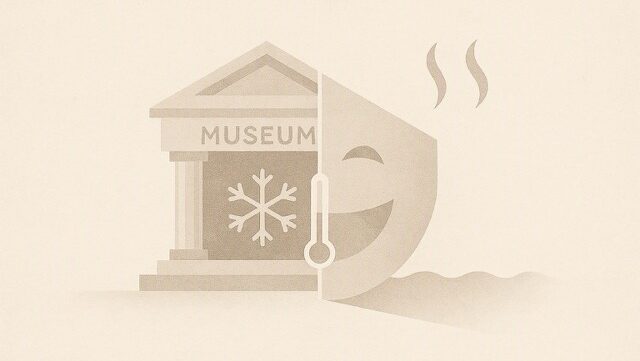
Cooling the room, warming the world
On the paradox of preserving art on a warming planet, and who can afford it. Imagine the perfect room. Twenty-one degrees, fifty per cent relative humidity, without a single fluctuation. The work hangs in ideal conditions, protected from light, from dust, from time. For decades, that stability was the unquestionable ideal of the…
-

The festival that does not fit in the frame
On experience converted into content, and the rest that escapes it. There is a question that the cultural industry has already answered without formulating it: the contemporary festival is not designed solely to be experienced, but to circulate. Recent research states this bluntly. The consumer of experiences seeks, beyond the moment, shareable narrative material…
-
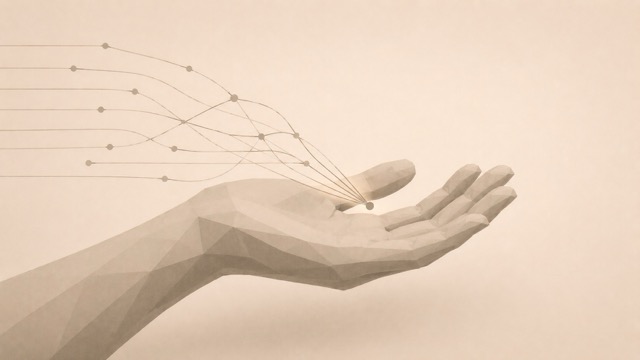
The author that the law requires
Second movement on origin: what the law truly seeks when it seeks an author. In a previous text, I maintained that we have a cultural obsession with origin: we want to know where a work comes from, through whose hand it passed, what process produced it, as if its value depended on the purity of its provenance. That text…
-
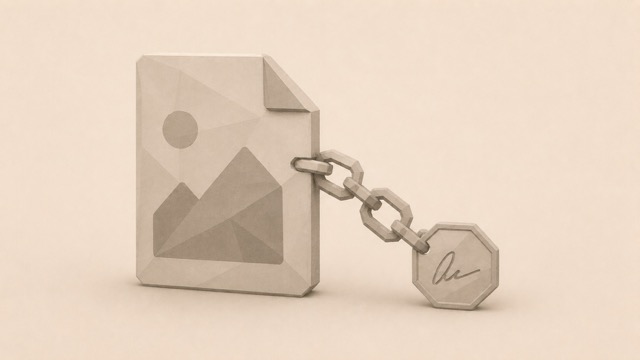
The hand signing the file
When authenticity ceases to be a judgement and becomes signed metadata. In a previous text, I maintained that in the age of AI-driven suspicion, the value of the handmade shifts from the surface of the image to its provenance: it is not the hand that holds more value, but the hand that...
-
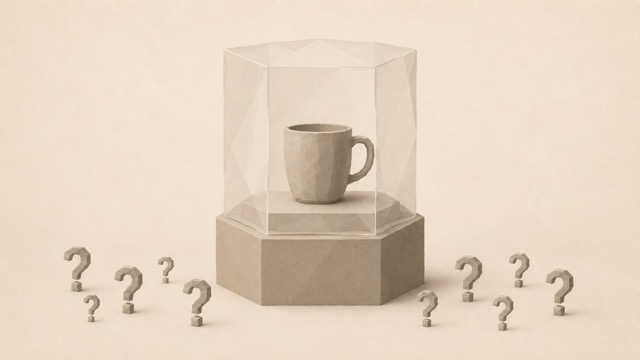
Declaring to avoid debate
On the declaration of 'Bien de Interés Cultural' as a device, regarding Extremadura. There is a silent way to win an argument: to make it impossible to discuss. Not through prohibition or censorship, but through a more elegant gesture: elevating the object in dispute to a category that places it above debate. In…