
Category: Structural Surplus
-
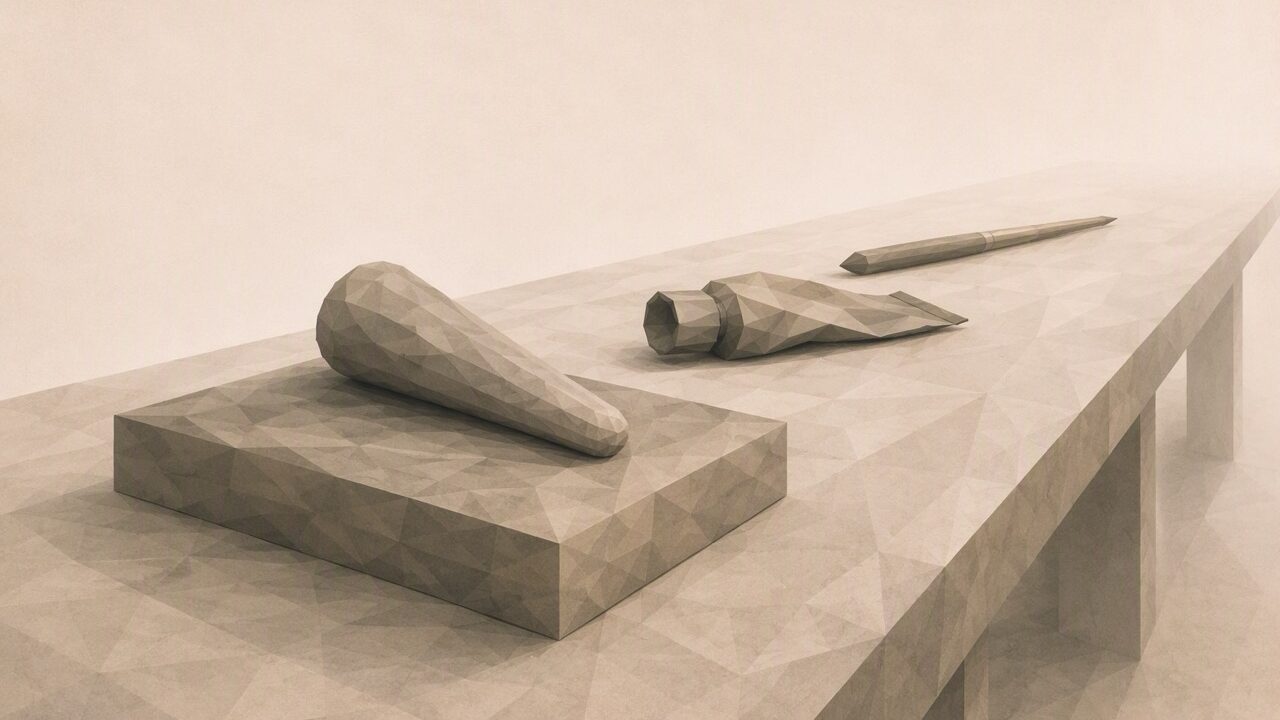
Pigments I no longer grind
At university, I learned to manufacture my own paints. I arrived at grinding the pigment on the slab with the muller until the lumps were broken, at incorporating the binder little by little, at noting when the paste had bound. I also learned to prepare my supports: to stretch the canvas, to size it, to apply the primer and to…
-
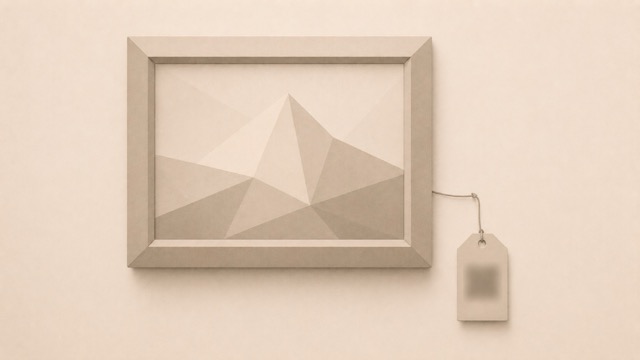
What we cannot know about the price
On the invisible boundary between building reputation, manipulating the market, and defrauding. Every so often, a scandal of forgery or fraud traverses the art press and reactivates a comfortable suspicion: that the entire market is a fabrication, that prices are smoke, that behind every figure there is a hand pulling the strings.…
-

Politics is not in the painting
On why the critique of contemporary art is played out in infrastructure and not in the message. There is a very widespread, and very comfortable, idea regarding what renders art political: that it is so by virtue of its subject. A work would be political if it denounces, if it represents a conflict, if it takes a side, if it carries…
-

The laughter that opens and the laughter that closes
On humour, art, and the temptation to always believe it to be on the side of good. In times of tension, a reasonable hope is repeated: that we require more humour. That in the face of dogma, the trench, and angry solemnity, laughter might return to us some air, some distance, some shared humanity. I share the impulse. But I have learned…
-

The empty chair
On 7 July, The New York Times published a report with a headline that sounds like retribution: the revenge of the philosophy graduates. Artificial intelligence laboratories are hiring philosophers. Not as an ornamental gesture: Google DeepMind and Anthropic each have at least half a dozen, there is a constitution of twenty-three thousand…
-

Cooling the room, warming the world
On the paradox of preserving art on a warming planet, and who can afford it. Imagine the perfect room. Twenty-one degrees, fifty per cent relative humidity, without a single fluctuation. The work hangs in ideal conditions, protected from light, from dust, from time. For decades, that stability was the unquestionable ideal of the…
-

The festival that does not fit in the frame
On experience converted into content, and the rest that escapes it. There is a question that the cultural industry has already answered without formulating it: the contemporary festival is not designed solely to be experienced, but to circulate. Recent research states this bluntly. The consumer of experiences seeks, beyond the moment, shareable narrative material…
-
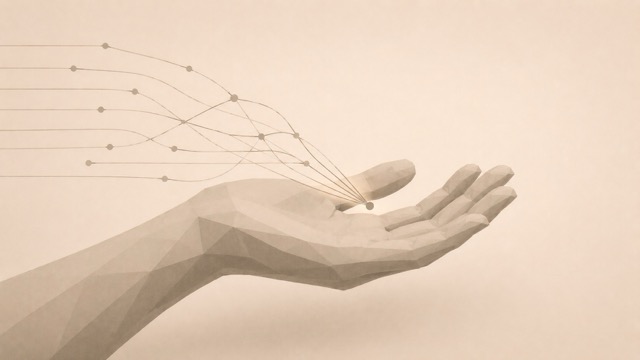
The author that the law requires
Second movement on origin: what the law truly seeks when it seeks an author. In a previous text, I maintained that we have a cultural obsession with origin: we want to know where a work comes from, through whose hand it passed, what process produced it, as if its value depended on the purity of its provenance. That text…
-
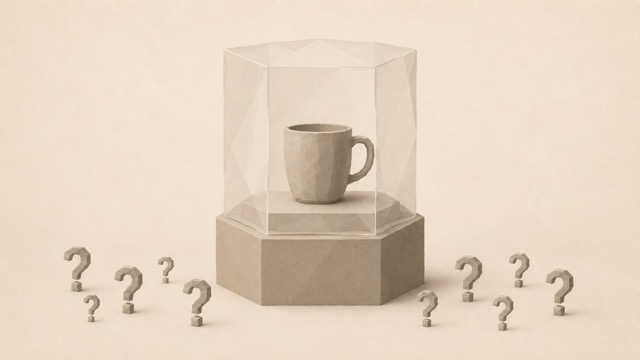
Declaring to avoid debate
On the declaration of 'Bien de Interés Cultural' as a device, regarding Extremadura. There is a silent way to win an argument: to make it impossible to discuss. Not through prohibition or censorship, but through a more elegant gesture: elevating the object in dispute to a category that places it above debate. In…
-
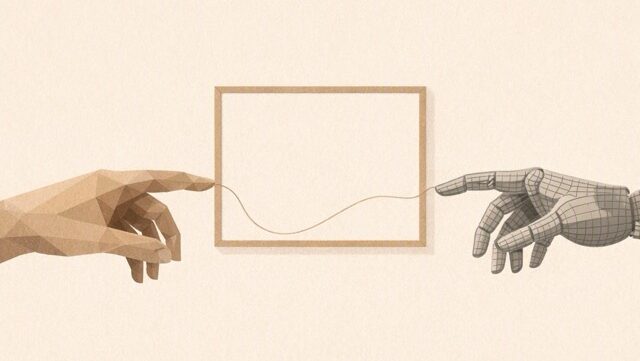
The Credible Hand
What happens to the value of the handmade when the first thing we ask before an image is where it came from. For centuries, the value of a work was discussed by looking at it. One could disagree on the result, but the question operated on something present: this is what there is, let us judge it. The era of…