
Tag: infraestructuras digitales
-
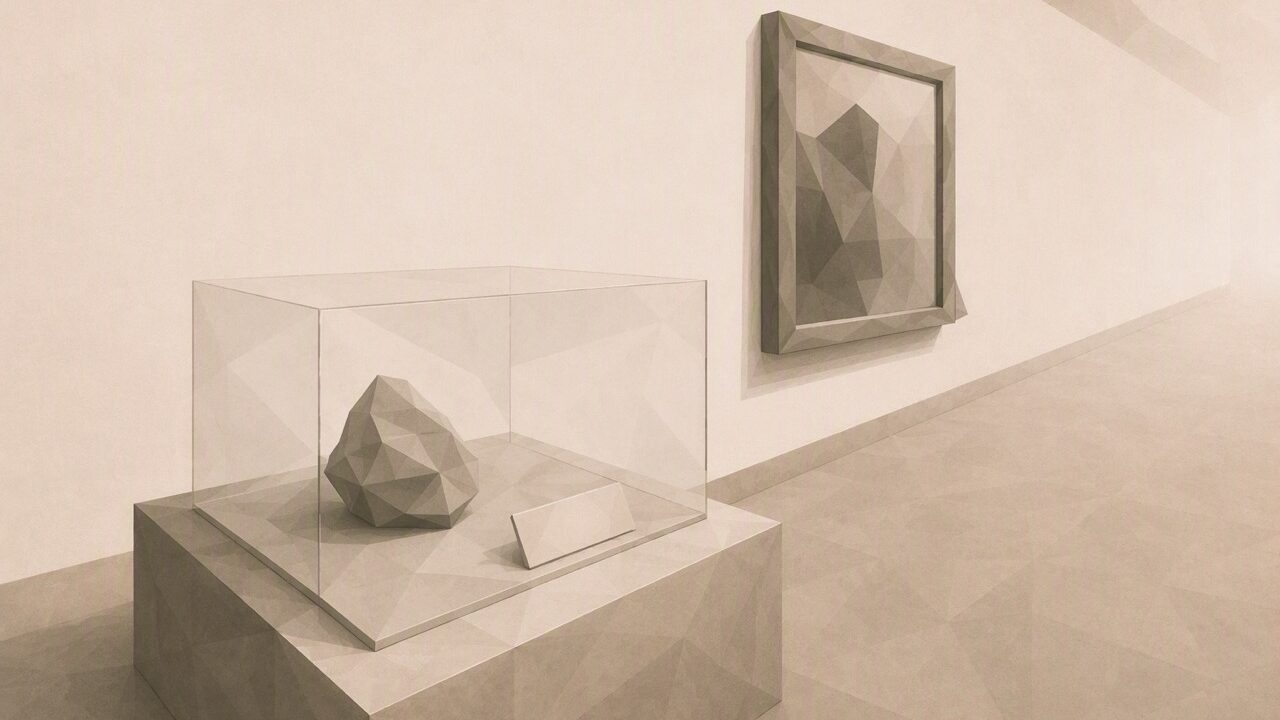
An image without provenance
On 27 January of this year, the British Museum published a series of images on Instagram and Facebook depicting a young woman contemplating pieces within its galleries. The accompanying text invited viewers to pause: observing with composure is always worthwhile. The images were generated using artificial intelligence, and this was not disclosed in...
-
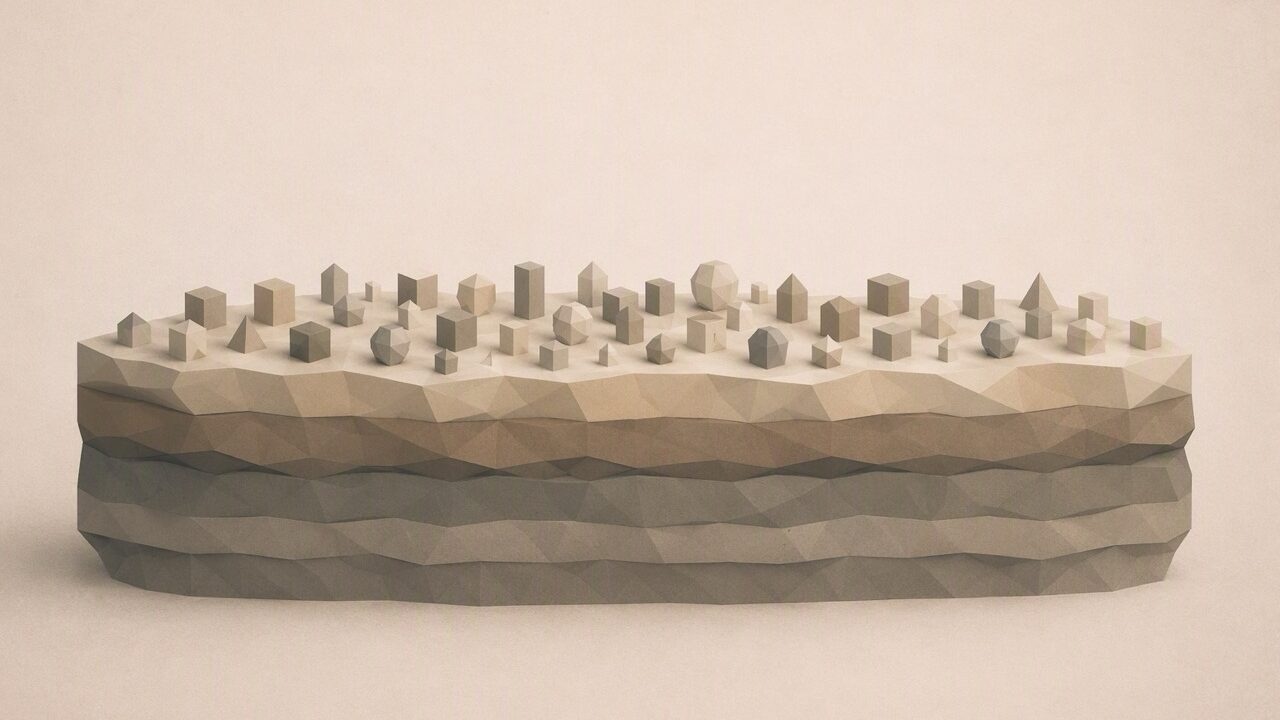
Architecture is not neutral
The debate regarding technological sovereignty is frequently framed incorrectly, as though it consisted of possessing 'European' artificial intelligence models in contrast to American or Chinese counterparts. That is merely the surface. The fundamental question is different: who controls the entire stack upon which everything else relies. Not merely the models, but the...
-
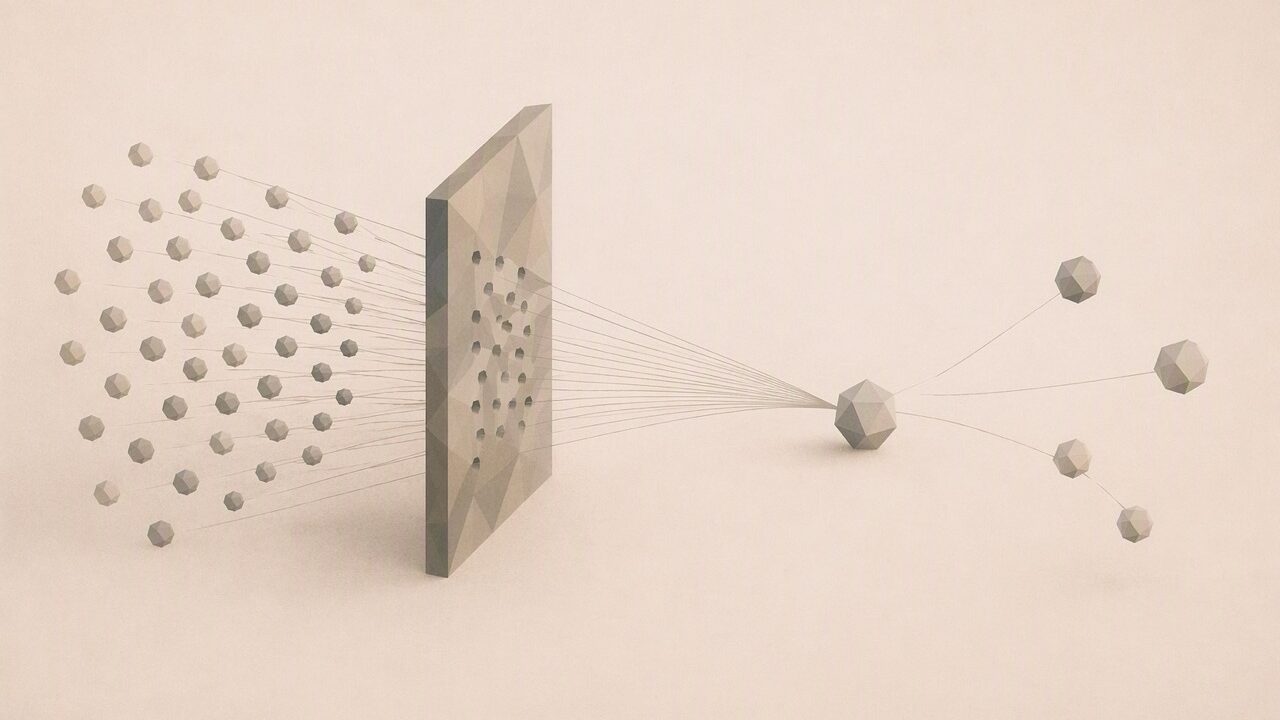
The access promised by the screen
Cuando una institución cultural sube su colección a internet, hace un gesto que parece de justicia: lo que antes exigía viajar, pagar, saber que existía, ahora está a un clic para cualquiera. La promesa es hermosa y la repetimos mucho —lo digital democratiza, derriba barreras, abre la cultura a todos—. Trabajo con lo digital y…
-

The laughter that opens and the laughter that closes
On humour, art, and the temptation to always believe it to be on the side of good. In times of tension, a reasonable hope is repeated: that we require more humour. That in the face of dogma, the trench, and angry solemnity, laughter might return to us some air, some distance, some shared humanity. I share the impulse. But I have learned…
-

The festival that does not fit in the frame
On experience converted into content, and the rest that escapes it. There is a question that the cultural industry has already answered without formulating it: the contemporary festival is not designed solely to be experienced, but to circulate. Recent research states this bluntly. The consumer of experiences seeks, beyond the moment, shareable narrative material…
-
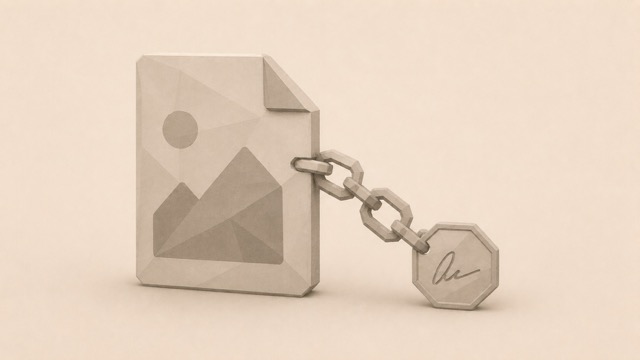
The hand signing the file
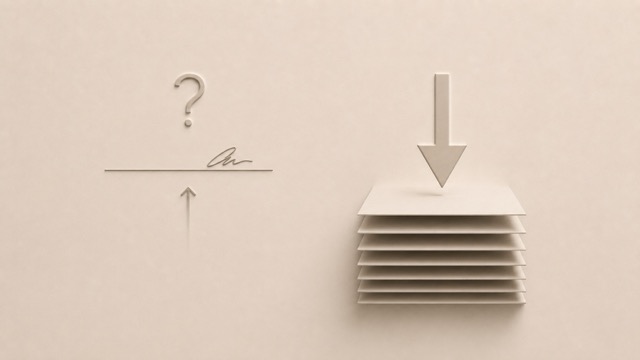
When authenticity ceases to be a judgement and becomes signed metadata. In a previous text, I maintained that in the age of AI-driven suspicion, the value of the handmade shifts from the surface of the image to its provenance: it is not the hand that holds more value, but the hand that...
-
The obsession with origin
What the Thaler case fails to perceive, and what Europe is beginning to examine. In March 2025, a United States court of appeals—the D.C. Circuit—established that United States copyright requires human authorship: a work generated without a human author is not registrable. In March 2026, the Supreme Court declined to review...
-

What the system renders improbable
Sobre la ignorancia como producto de las infraestructuras digitales Hay una idea cómoda sobre la información que conviene desmontar: la de que vivimos rodeados de ella, que el problema de nuestra época es el exceso, que nunca hubo tanto disponible al alcance de cualquiera. Es verdad a medias, y la mitad que falta es la…
-
What the artist does when they no longer make the work
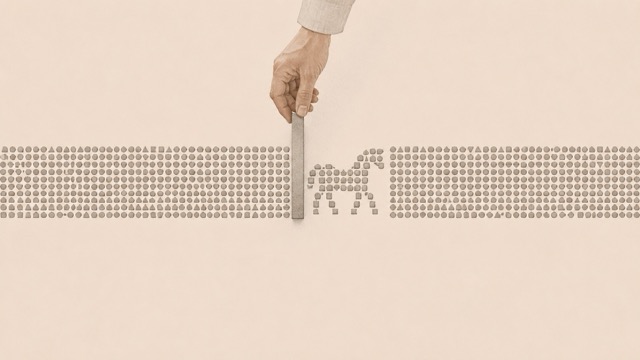
The human surplus in the data-generation-work chain. There is a question that data art renders inevitable, which theory has yet to answer with precision. When the material of the work is a massive dataset that the artist has not produced—telemetry from a particle accelerator, sleep logs,...
-
Art as an asset
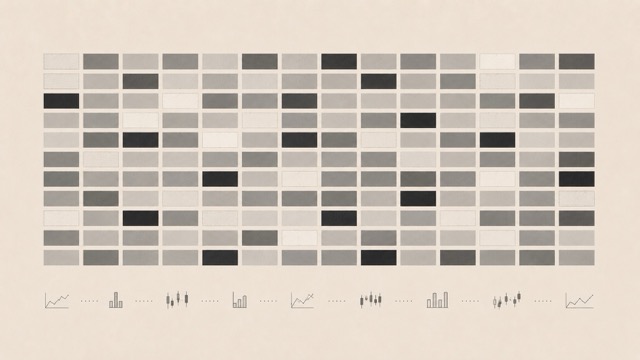
Sobre la financiarización del mercado del arte como infraestructura Una pintura de medio metro cuadrado, ejecutada con materiales cuyo coste no supera los cuarenta euros, puede venderse por cuarenta millones de dólares en una subasta de Nueva York. La diferencia entre el coste material y el precio final —diez millones de euros por centímetro cuadrado,…