
Tag: arte digital post NFT
-
Article
That which no longer launches
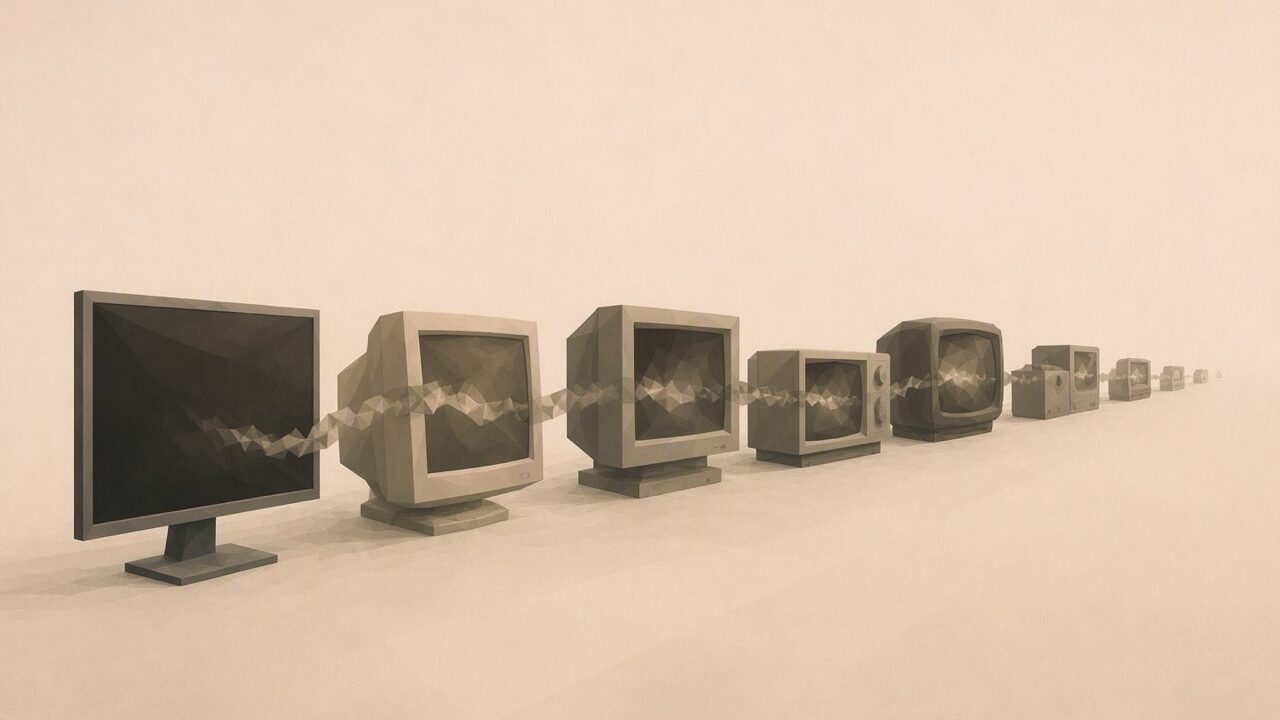
On 31 December 2020, Adobe withdrew support for Flash. Twelve days later, it blocked the execution of any content still utilising it. For almost everyone, this was a footnote, the end of a technology that had been dying for years. For museums that had collected internet art, it was another…
-
Article
The hand signing the file
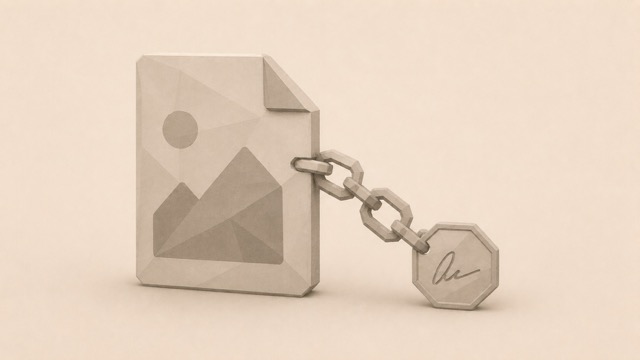
When authenticity ceases to be a judgement and becomes signed metadata. In a previous text, I maintained that in the age of AI-driven suspicion, the value of the handmade shifts from the surface of the image to its provenance: it is not the hand that holds more value, but the hand that...
-
Article
The Credible Hand
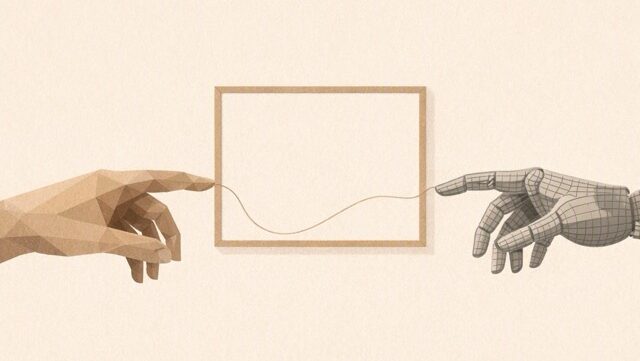
What happens to the value of the handmade when the first thing we ask before an image is where it came from. For centuries, the value of a work was discussed by looking at it. One could disagree on the result, but the question operated on something present: this is what there is, let us judge it. The era of…
-
Article
AI art requires no author (nor does it require Gell)
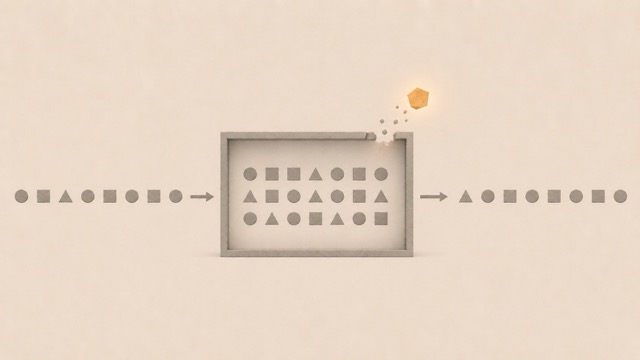
A position regarding the emerging debate. The discourse has been circular for three years; in recent months, it has begun to find a partial resolution. I propose a comprehensive solution. The debate is as follows: who is the author of a work created with artificial intelligence? For three years, the responses…
-
Article
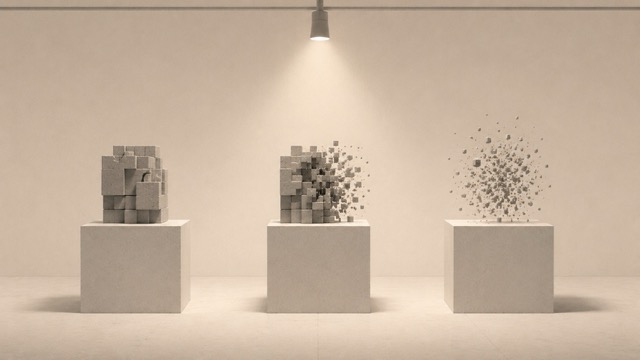
Curating that which is never the same twice
The curatorial problem of generative art. A gesture defines the profession of the curator: deciding what is hung, where, under what light, next to what, and for how long. That gesture presupposes something so obvious it is rarely articulated: that an object exists. A thing that is there, identical to itself, and which…
-
Article
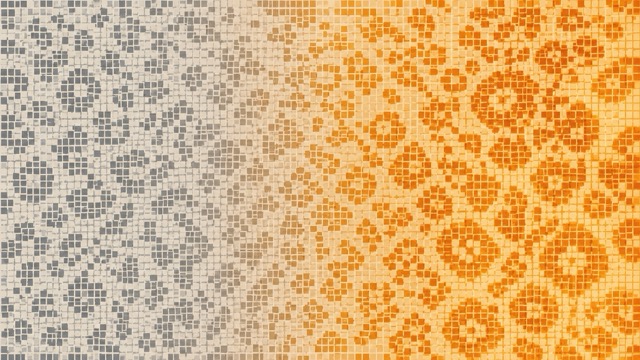
Processes without meaning
On generative art and what humans and machines may share. The first text in this series concluded with an intuition which I marked as an inference, rather than a conclusion. When discussing the work Rain Blooms by Kazuhiro Tanimoto, I suggested that between very distinct entities—a human and a computational system—the common ground...
-
Article
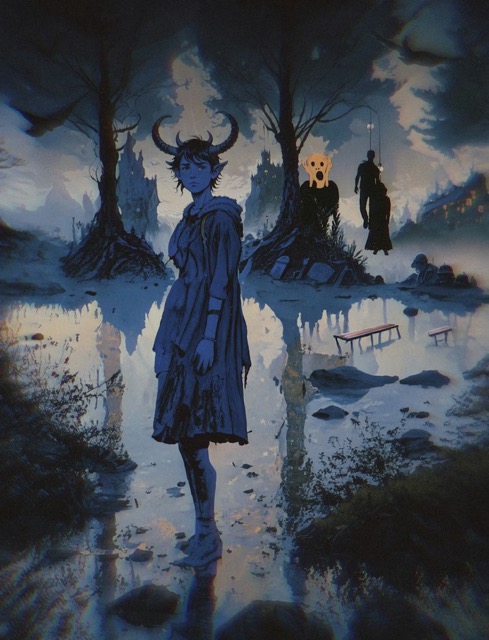
Post-NFT Digital Art. Infrastructure, Archive, and Recognition III
Recognition. Institutions, market and canon. This entry concludes the series. Entry I examined provenance—what renders a digital work identifiable as a work—through the case of the artist romainiti and the closure of Foundation. Entry II addressed persistence—what is required for a work to endure and continue...
-
Article
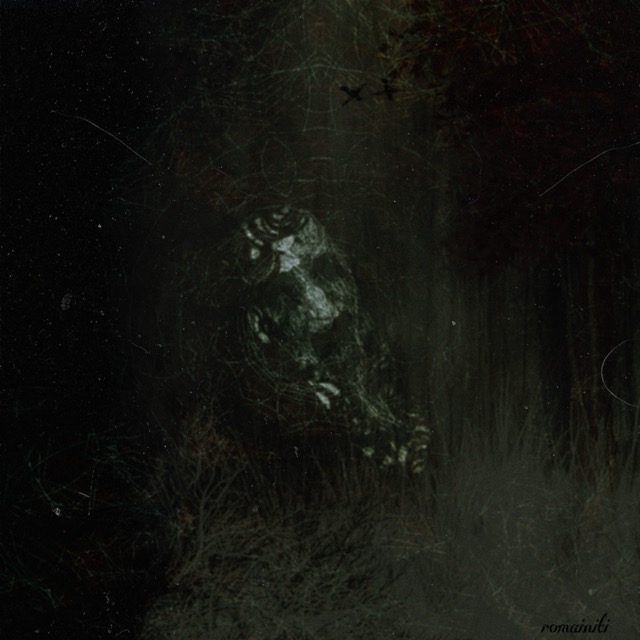
Post-NFT Digital Art. Infrastructure, Archive, and Recognition II
Persistence. Archive, custody and the duration of digital art. This research examines, from the perspective of curatorial practice and collecting, what remains of tokenised digital art following the collapse of the speculative NFT market. Entry I examined the first dimension of the triadic framework—provenance, persistence and recognition—through the case of the artist romainiti and...
-
Article
Post-NFT Digital Art. Infrastructure, Archive, and Recognition I
Provenance. The Romainiti case. Introduction to the series. This research examines, from the perspective of curatorial practice and collecting, what remains of tokenised digital art following the collapse of the speculative NFT market. The series is developed across three entries that articulate three dimensions of a single problem: provenance, persistence and recognition. The present text, the first of...
-
Article
Global Art Market Overview
Foundation, an invite-only tokenised art platform within the Ethereum ecosystem, has gone offline indefinitely after failing to find a buyer. The platform itself attributes the decision to a financial and operational reality that prevented the resumption of service with any guarantees. What follows is an interpretation of the current situation, distinguishing between what…