
Category: Structural Surplus
-
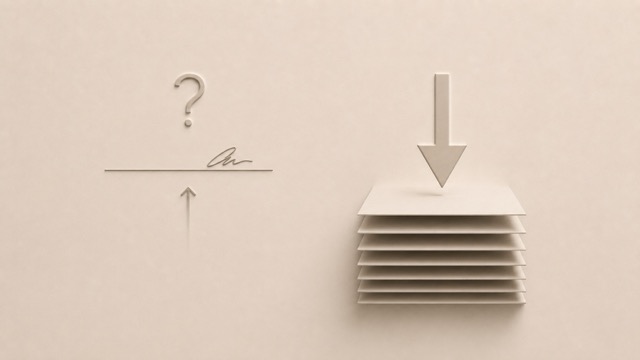
The obsession with origin
What the Thaler case fails to perceive, and what Europe is beginning to examine. In March 2025, a United States court of appeals—the D.C. Circuit—established that United States copyright requires human authorship: a work generated without a human author is not registrable. In March 2026, the Supreme Court declined to review...
-
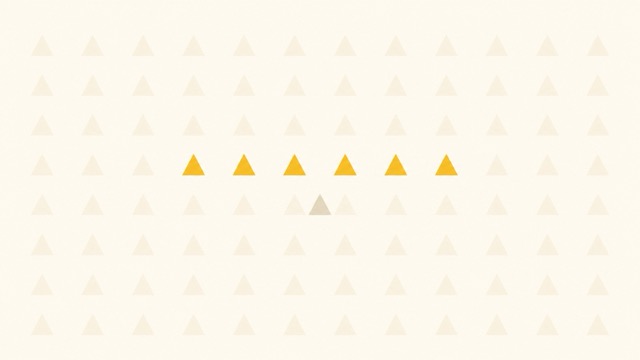
What the system renders improbable
On ignorance as a product of digital infrastructures There is a comfortable idea about information that should be dismantled: that we live surrounded by it, that the problem of our era is excess, that there has never been so much available to anyone. It is half true, and the missing half is the...
-
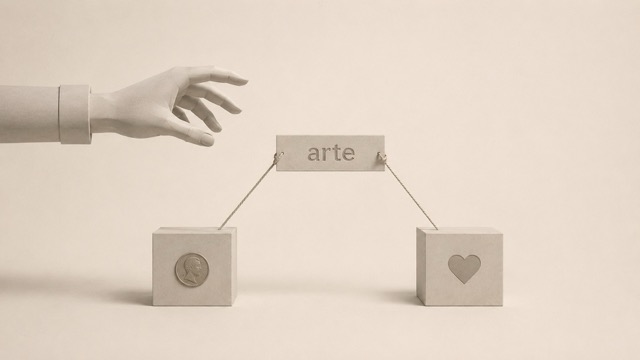
Neither the market nor the broken heart
Sobre una defensa del arte que en realidad defiende otras dos cosas Una columna reciente en El País, firmada por Jordi Labanda, se titula «Contra el arte automático» y resume su tesis en una línea: un algoritmo no pinta porque no soporta existir, ni existe porque tenga miedo a la muerte, ni compone porque alguien…
-
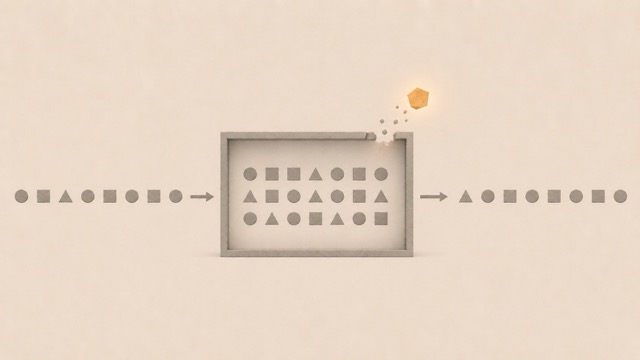
AI art requires no author (nor does it require Gell)
A position regarding the emerging debate. The discourse has been circular for three years; in recent months, it has begun to find a partial resolution. I propose a comprehensive solution. The debate is as follows: who is the author of a work created with artificial intelligence? For three years, the responses…
-

Structural surplus as an aesthetic category — working paper, April 2026
Art has historically been conceived through the lens of the object. Even when it has attempted to shift towards experience, action, or process, it has continued to require an anchor point: something that can be identified, delimited, and recognised as a work. That anchor has been useful. It is beginning to prove insufficient. A significant portion of contemporary practice already…
-
Structural Surplus — towards a relational ontology of artistic practice
Art has historically been conceived through the lens of the object. Even when it has attempted to shift towards experience, action, or process, it has continued to require an anchor point: something that can be identified, delimited, and recognised as a work. That anchor has been useful. It is beginning to prove insufficient. A significant portion of contemporary practice no longer…