
Category: Cuaderno público
-
The unseen museum
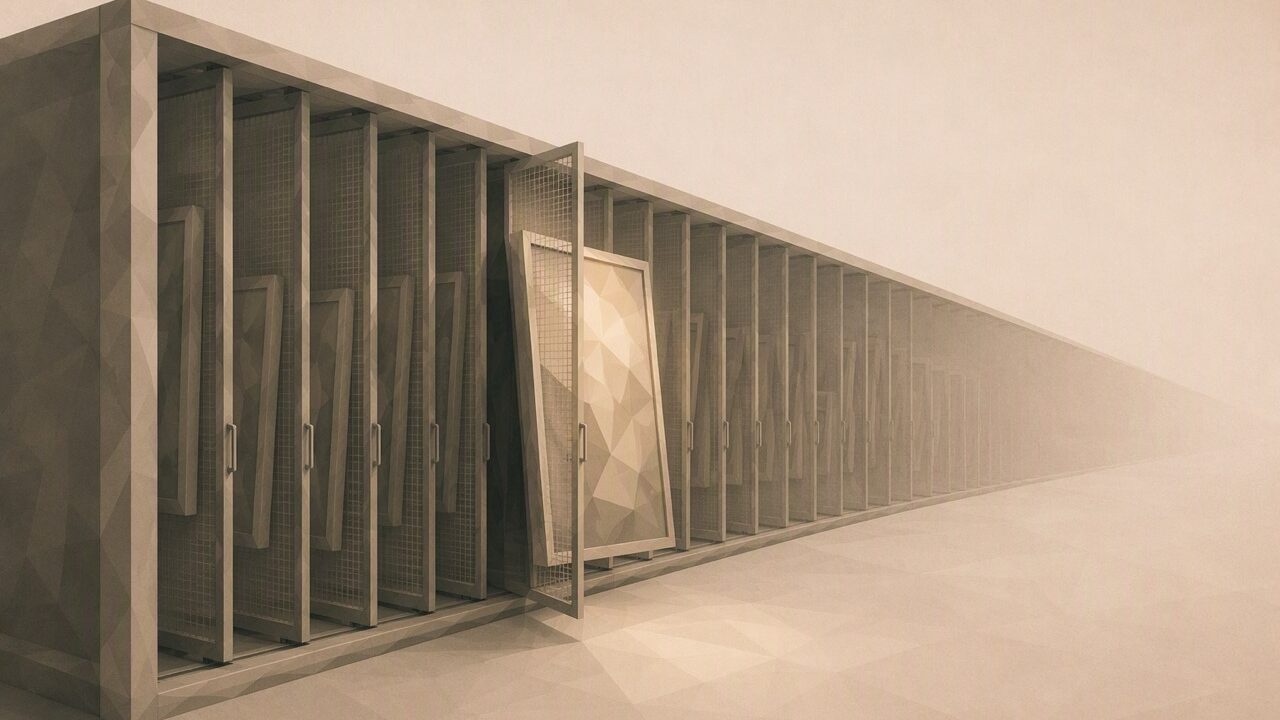
When one traverses a great museum, one has the impression of viewing its collection. One is not viewing it. One is viewing a minuscule selection, and the remainder—the vast portion—resides elsewhere: in climate-controlled warehouses, in numbered crates, on grid racks where paintings hang on edge like folders in a filing cabinet. The…
-
An image without provenance
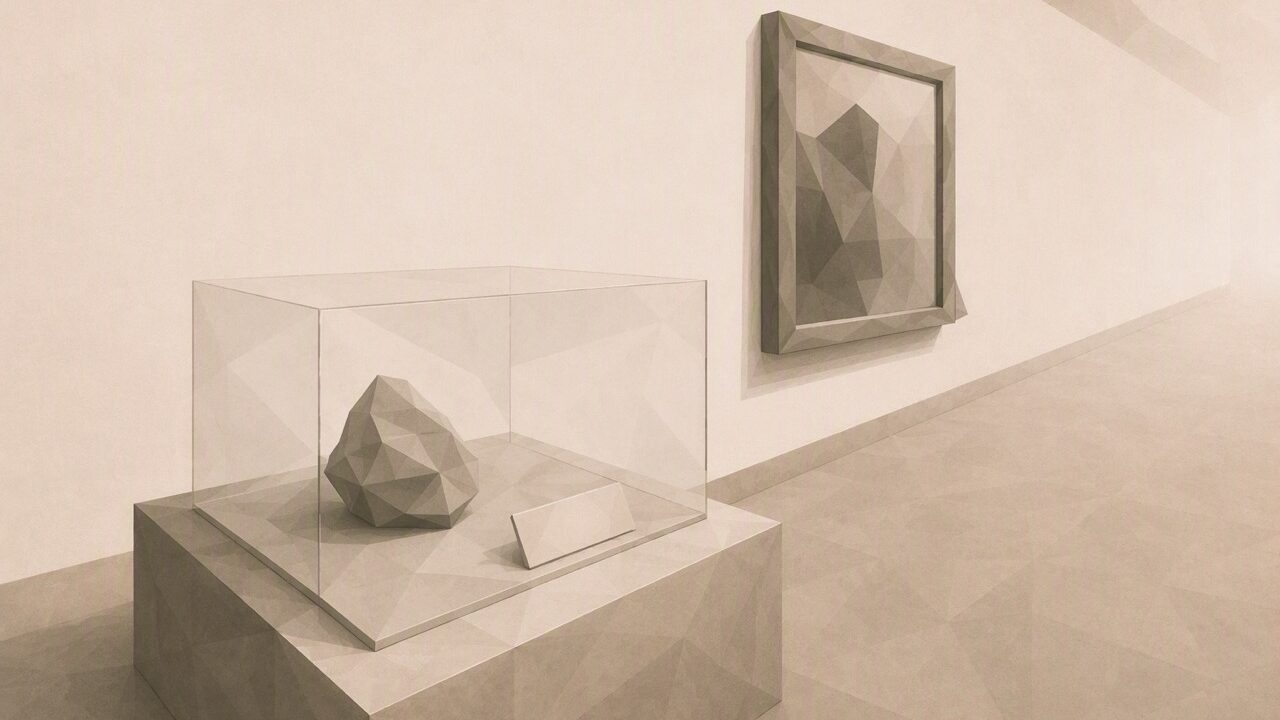
On 27 January, the British Museum published on Instagram and Facebook a series of images of a young woman contemplating pieces in its galleries. The accompanying text invited one to pause: looking with calm is always worthwhile. The images were generated with artificial intelligence, and that was not stated in the caption. Yes…
-
Pigments I no longer grind
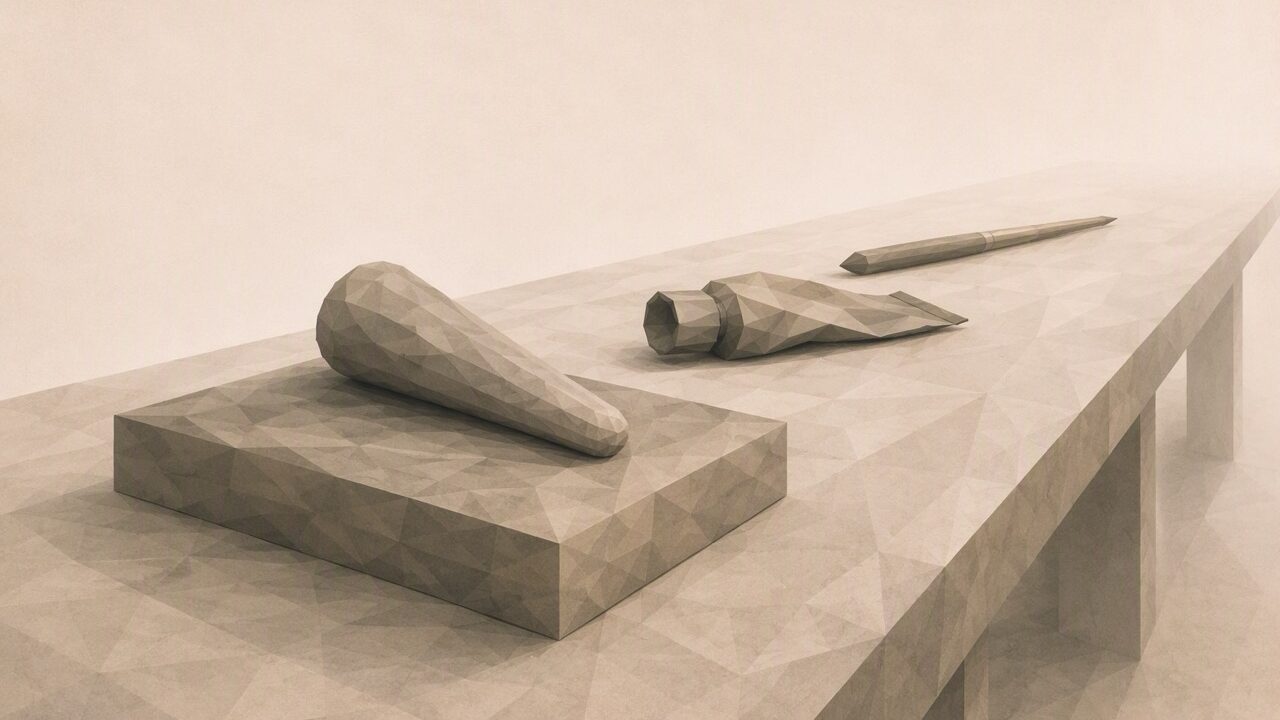
At university, I learned to manufacture my own paints. I arrived at grinding the pigment on the slab with the muller until the lumps were broken, at incorporating the binder little by little, at noting when the paste had bound. I also learned to prepare my supports: to stretch the canvas, to size it, to apply the primer and to…
-
Authenticity does not reside in the material
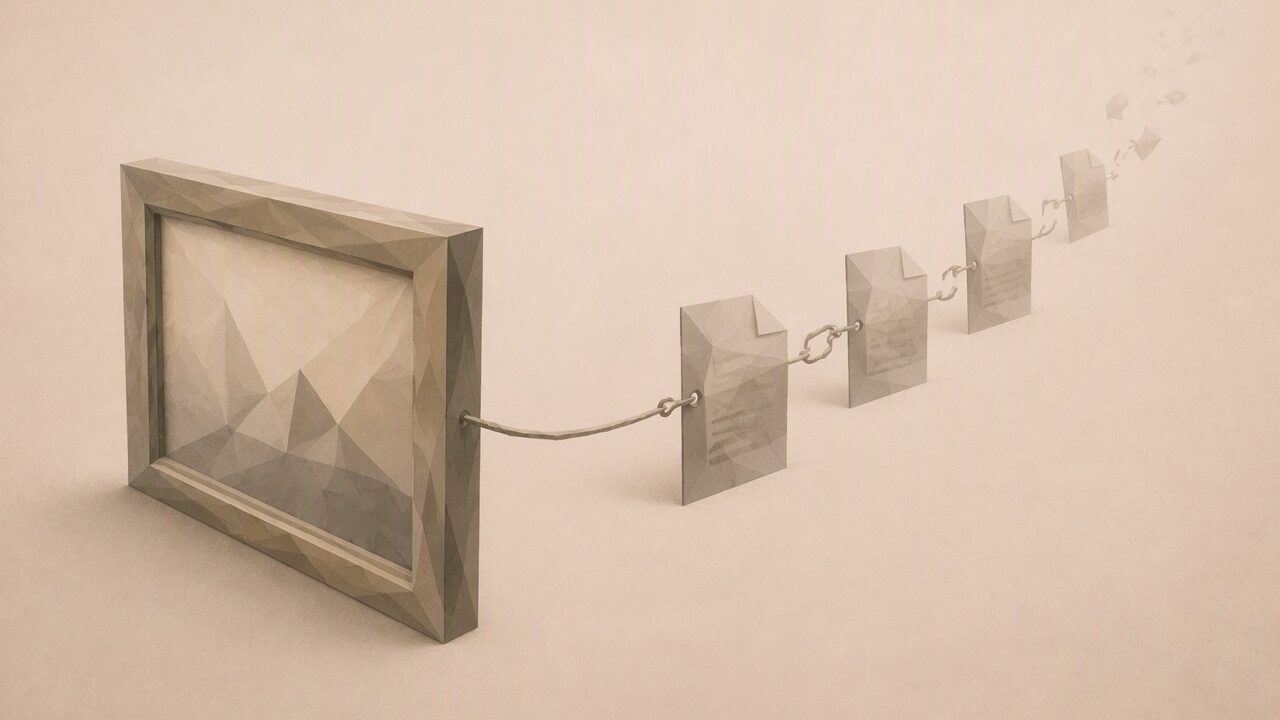
A painting from four centuries ago has been relined, its varnishes removed and replaced, its frame changed several times, its cracks stabilised, some area repainted by hands that are not those of the author. If one could count the atoms, perhaps very little would remain of the matter that left the original workshop. We call it authentic,…
-
The trajectory that cannot be commenced
To establish a foundation in Spain, it is sufficient, in practice, to have thirty thousand euros: the law presumes that endowment to be enough. It is a high figure for an individual and a low one for an institution. What the law does not say is what happens the following day. The following day begins a problem of circular structure that…
-
Whose black is it
En julio de 2014 se presentó Vantablack, un recubrimiento que su fabricante anunció como el de mayor absorción de luz registrado hasta entonces. Lo desarrolló una empresa británica, Surrey NanoSystems. En su versión original está hecho de nanotubos de carbono tan diminutos y apretados que la luz entra entre ellos y prácticamente no sale: según…
-
That which returns
In recent years we have seen something that seemed unthinkable a generation ago: objects that return. In 2021, France returned to Benin twenty-six works from the royal treasure of Abomey, taken as spoils in 1892. In 2022, Germany signed the transfer to Nigeria of the one thousand one hundred and thirty Benin Bronzes identified in its public museums,…
-
Which original must be returned: the restoration of the Sistine Chapel
When the Vatican Museums finished the cleaning of the Sistine Chapel frescoes in 1994, fourteen years after it began, the world encountered a Michelangelo it did not expect. Beneath centuries of candle soot, brazier smoke, animal glue, and repainting from previous restorations, an explosion of colours appeared: pinks, greens…
-
Twenty-seven seconds
There is a figure that circulates through museum outreach texts with the authority of the obvious: the average visitor looks at the Mona Lisa for fifteen seconds. It is repeated in articles, talks and guides, always to say the same thing, that we no longer know how to look, that contemplation is dead, that we pass before works as before…
-
Architecture is not neutral
El debate sobre soberanía tecnológica suele plantearse mal. Se presenta como elegir entre modelos de inteligencia artificial «europeos» o los americanos y chinos. Esa es la superficie. La pregunta de fondo es otra: quién controla la pila completa sobre la que todo lo demás se apoya. No solo los modelos, sino los chips, los centros…