Author: Juan A. Esteban
-
How to write installation instructions for a technology-based artwork
Cómo redactar un manual para montar, configurar, probar, operar y desmontar una obra tecnológica sin depender de la memoria del artista.
-
How to prepare a technical sheet for a digital or interactive artwork
Campos de una ficha técnica para obra digital o interactiva: archivos, equipos, espacio, interacción, red, instalación, mantenimiento y límites de sustitución.
-
Training an AI model on your own work: rights, data and documentation
Qué comprobar al entrenar o ajustar un modelo con obra propia: derechos, conjunto de datos, modelo base, licencia, pesos, salidas y Reglamento de IA.
-
How to create editions of generative art: closed and open editions and selection
Cómo fijar las reglas de una edición generativa: tamaño, duración, selección, semillas, pruebas, sustituciones y venta con o sin blockchain.
-
Software licences and artistic works: what each licence covers
Cómo separar la licencia del código, las dependencias, los recursos artísticos, la documentación y las salidas de una obra hecha con software.
-
How to prepare creative code so that it can run again
What to preserve and document to ensure the code of a creative work remains executable: source and history, dependencies, external services, packaged environment, and reinstallation testing.
-
What to document in a generative work
What to document in a generative work: system, outputs, seed, parameters, what may vary and who decides, and a video of its behaviour.
-
How to lend a digital or technology-based artwork for an exhibition
Qué debe acordarse al prestar una obra digital o tecnológica: archivos, equipos, instalación, red, mantenimiento, seguro, borrado y devolución.
-
How to certify a digital artwork and its editions
Qué debe recoger el certificado de una obra digital: identificación de la obra y sus archivos, características de la edición, derechos cedidos, reglas de migración y por qué un token no basta.
-
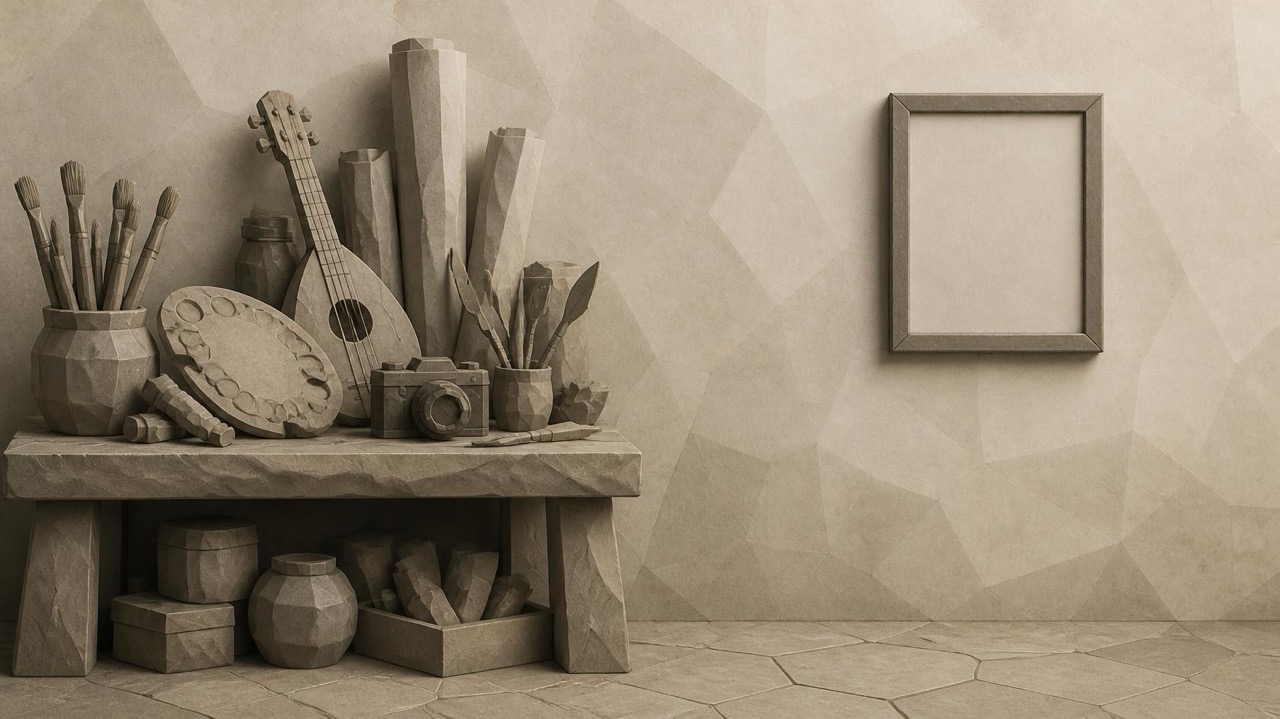
Youth Culture Voucher 2026: pays for courses and materials, but not works of art
El Bono Cultural Joven de 2026 permite, por primera vez, gastar los 400 euros en aprender y crear: cursos, instrumentos, cámaras y material artístico. Sigue sin permitir comprar una obra a un artista vivo. El plazo para solicitarlo termina el 31 de octubre.