
Tag: subjetividad estética
-

The machine removes our easy answers
Cada vez que una máquina aprende a hacer algo que creíamos nuestro, alguien se apresura a decir que eso, en realidad, nunca fue lo importante. Cuando calcularon mejor que nosotros, dijimos que calcular era mecánico. Cuando ganaron al ajedrez, que el ajedrez era solo cálculo con reglas. Cuando empezaron a escribir párrafos correctos, que redactar…
-
The criterion is not in the hand
A study from Columbia University, published in June 2025, quantified what many of us had intuited. A group of individuals were shown identical works, some labelled as human-made and others as generated by artificial intelligence. The latter were rated sixty-two per cent lower than...
-

Six tactile paintings
In 2015 the Prado Museum mounted a small and unusual exhibition. It was called Today it is the Prado's turn and consisted of six paintings from the collection reproduced in relief, with textures and volumes of up to six millimetres, so that they could be traversed with the hands: a Velázquez, a Goya, a Greco, a Correggio, a still life…
-

What a child learns to admire
On childhood, violence, and what a community chooses to consecrate as culture. In municipalities along the Costa del Sol, two languages of cultural policy coexist without apparent conflict. On one hand, major events promoting animal welfare, featuring artists and guests, are presented as initiatives of culture, solidarity, and participation. On the other,...
-
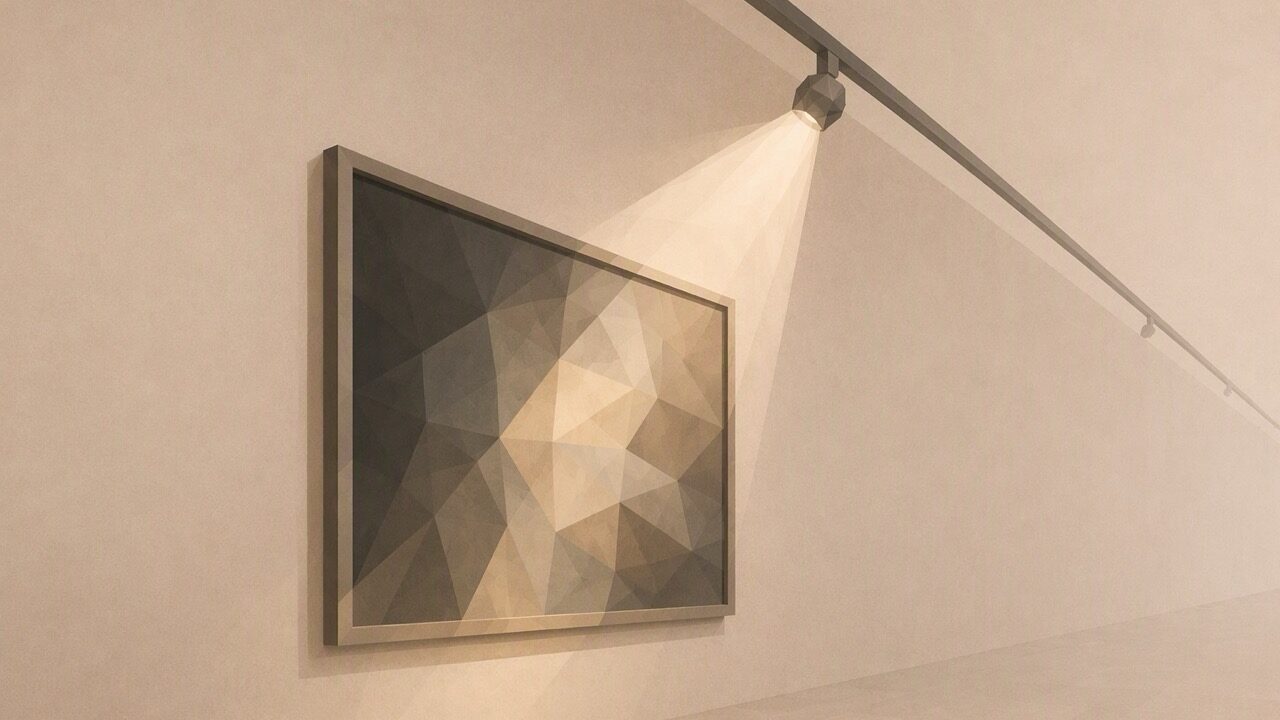
The light that constructs the work
There is a decision made regarding every painting you have observed in a museum which is never communicated to you: the intensity and quality of light permitted for your viewing. This is neither a minor decision nor technical in the innocuous sense of the word. It determines which colours reach you, which tonal relationships…
-
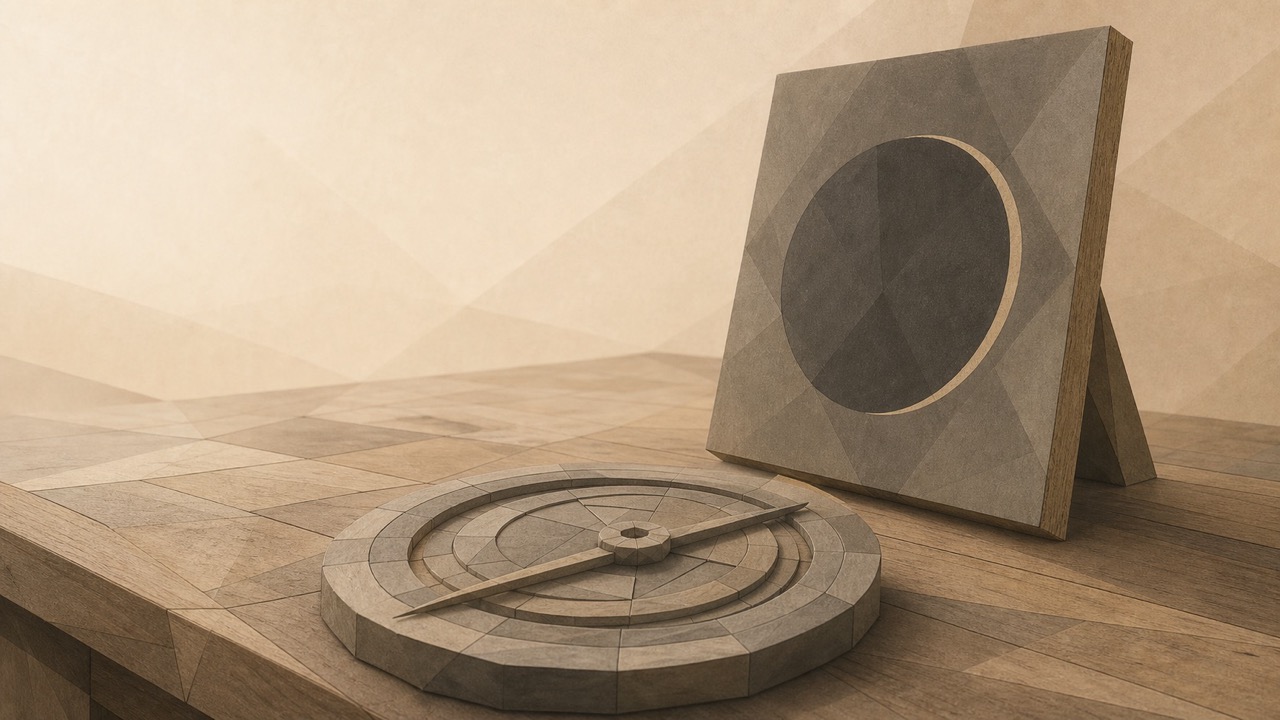
Painting an impossible sky
On Wednesday, 12 August 2026, a total solar eclipse will traverse Spain: the first visible from the Iberian Peninsula in over a century, according to the National Geographic Institute. It is an opportune moment to recount a matter I find most compelling regarding the phenomenon: that for centuries, European painting depicted an eclipse…
-
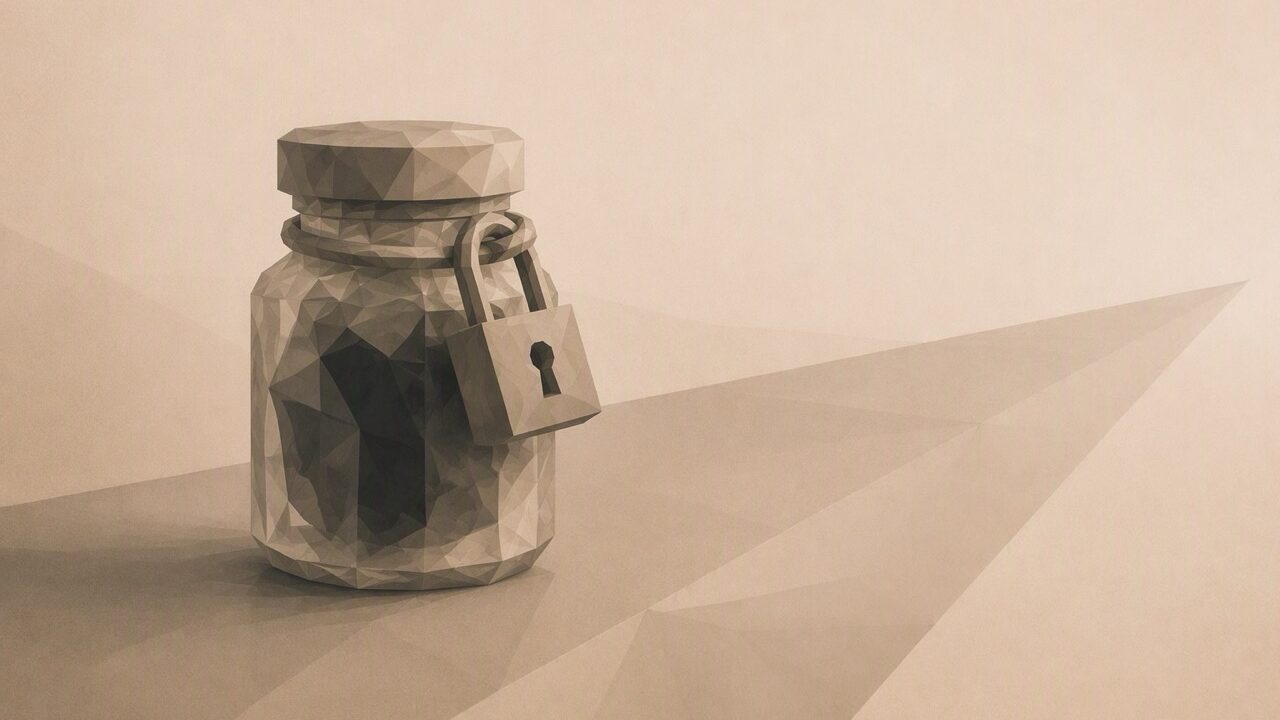
Whose black is it
In 2014, the darkest material ever manufactured was introduced to the world. Known as Vantablack, it was developed by a British firm, Surrey NanoSystems, and is composed of carbon nanotubes so minute and densely packed that light enters between them and virtually never escapes: it absorbs 99.965% of the light it receives. A surface coated with...
-

Which original must be returned: the restoration of the Sistine Chapel
When the Vatican Museums concluded, in 1994, fourteen years of cleaning the frescoes of the Sistine Chapel, the world encountered a Michelangelo it did not expect. Beneath centuries of candle soot, brazier smoke, animal glue, and overpainting from previous restorations, an explosion of colours appeared: pinks, acidic greens, luminous yellows,...
-
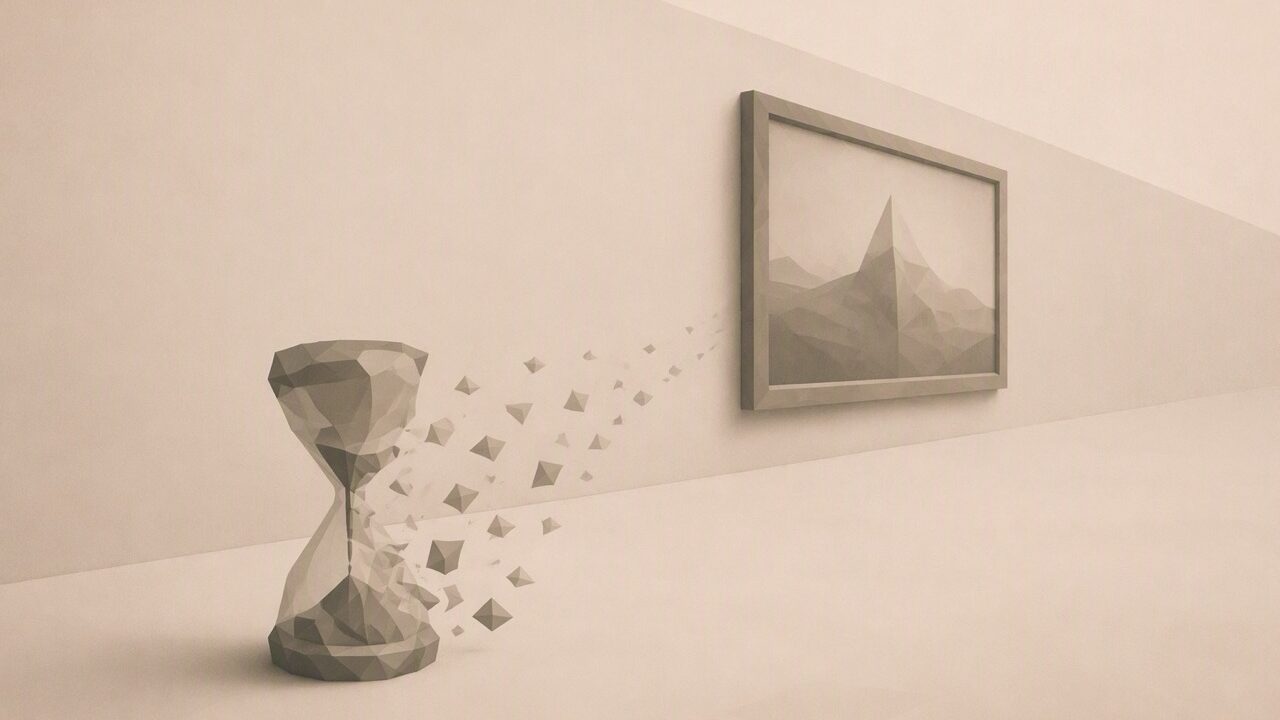
Twenty-seven seconds
There is a figure that circulates through museum outreach texts with the authority of the obvious: the average visitor looks at the Mona Lisa for fifteen seconds. It is repeated in articles, talks and guides, always to say the same thing, that we no longer know how to look, that contemplation is dead, that we pass before works as before…
-

Art and Good Conscience
Participatory projects currently occupy a significant portion of cultural programming, and certainly a substantial part of the work conducted by a foundation such as the one I direct: workshops with communities, collaborative works, and processes that include those who are typically excluded. They are applauded, almost by default, using a vocabulary with which we are already familiar—inclusive, collaborative, transformative, committed—. And...