
Category: NeuroArt: Cognitive Surplus
-
How a world chooses what it observes
Introducing a series on regimes of relevance. Over the past few days, I have published a series of five texts in this public notebook without prior announcement. This silence was intentional; I preferred the collection to be complete before presenting it, allowing for the entire trajectory to be offered rather than five separate notifications. Here it is,...
-
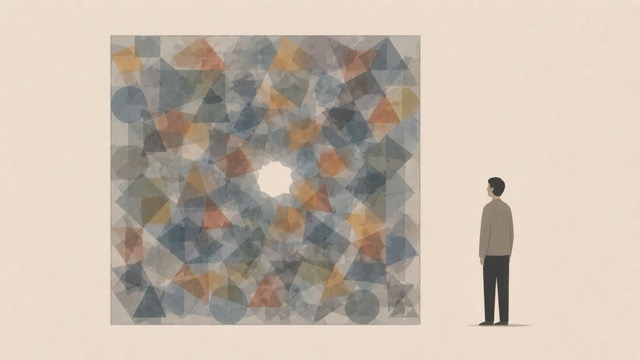
The box that does not read itself
On the limits of interpretability and the opacity of the machine regime of relevance. This line of inquiry has maintained a thesis throughout four texts: aesthetic understanding rests upon regimes of relevance, and the regime of relevance of a machine differs from that of a human. I demonstrated that this divergence is measurable (in the...
-
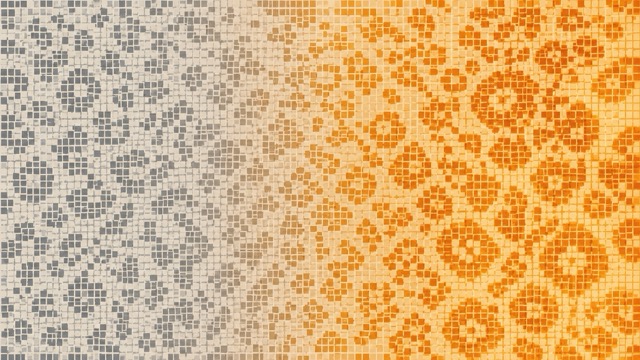
Processes without meaning
On generative art and what humans and machines may share. The first text in this series concluded with an intuition which I marked as an inference, rather than a conclusion. When discussing the work Rain Blooms by Kazuhiro Tanimoto, I suggested that between very distinct entities—a human and a computational system—the common ground...
-
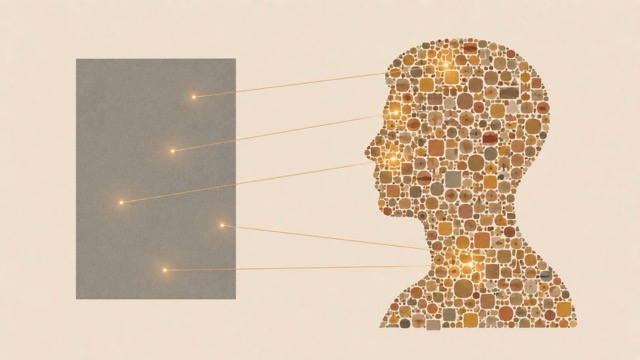
The effect of self
On self-relevance as the core of aesthetic judgement and its machine boundary. In the two previous texts of this series, I maintained two points. First, that aesthetic understanding rests upon regimes of relevance, and that misunderstanding—between cultures, between humans and machines—is a misalignment of those regimes. Second, that the divergence between attention...
-
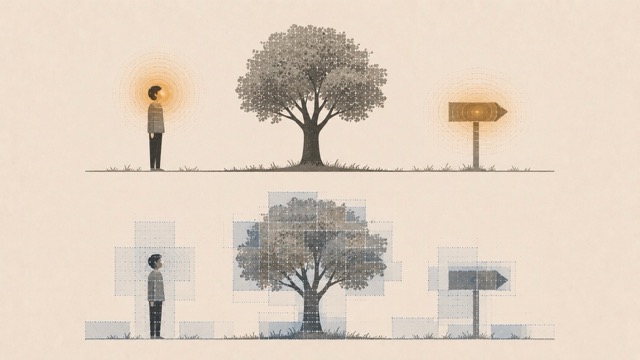
Where the machine looks
On the measurable divergence between human attention and model attention. In the previous text of this series, What Matters and What Is Relevant, I maintained that aesthetic misunderstanding—between human cultures and between humans and machines—can be described as a misalignment of regimes of relevance: distinct hierarchies of what counts...
-
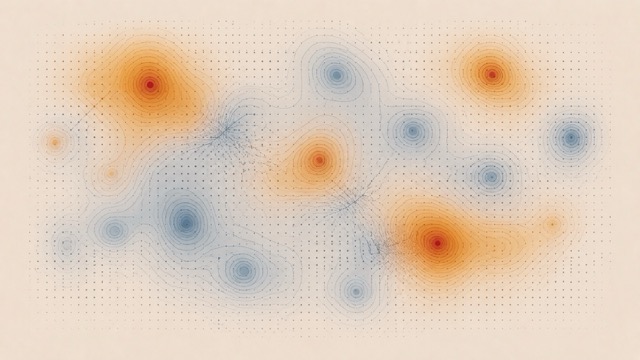
What matters and what is relevant
Aesthetic subjectivity, regimes of relevance, and the distance between humans and machines. A journalist from WIRED granted an artificial intelligence agent full access to their digital life—email, documents, calendar, history—and requested that it organise a birthday party. The agent, Gemini Spark, performed a remarkable task: it located an actual reservation for...