
Author: Juan A. Esteban
-
How to exhibit or publish works by children and adolescents: authorship, consent and data
A child may be the author of their work. It is a separate matter to determine who may authorise its exhibition, publication, or sale.
-
Nine cents in every hundred euros
In June, the three major European institutions committed to placing culture at the heart of the Union. In the budget proposal for 2028-2034, the specific cultural branch accounts for 0.09%.
-
Acquiring digital art: what should enter the collection beyond the visible work
The visible file is insufficient for the acquisition of a digital work. The procedures of the Met and the cases of the Tate and the Whitney demonstrate what must be documented prior to accepting the work.
-
Inheriting digital art: what happens to works, accounts and archives
Access to an account does not transfer copyright, and inheriting rights does not recover a lost file. Two precedents illustrate why digital legacy must be prepared during one's lifetime.
-
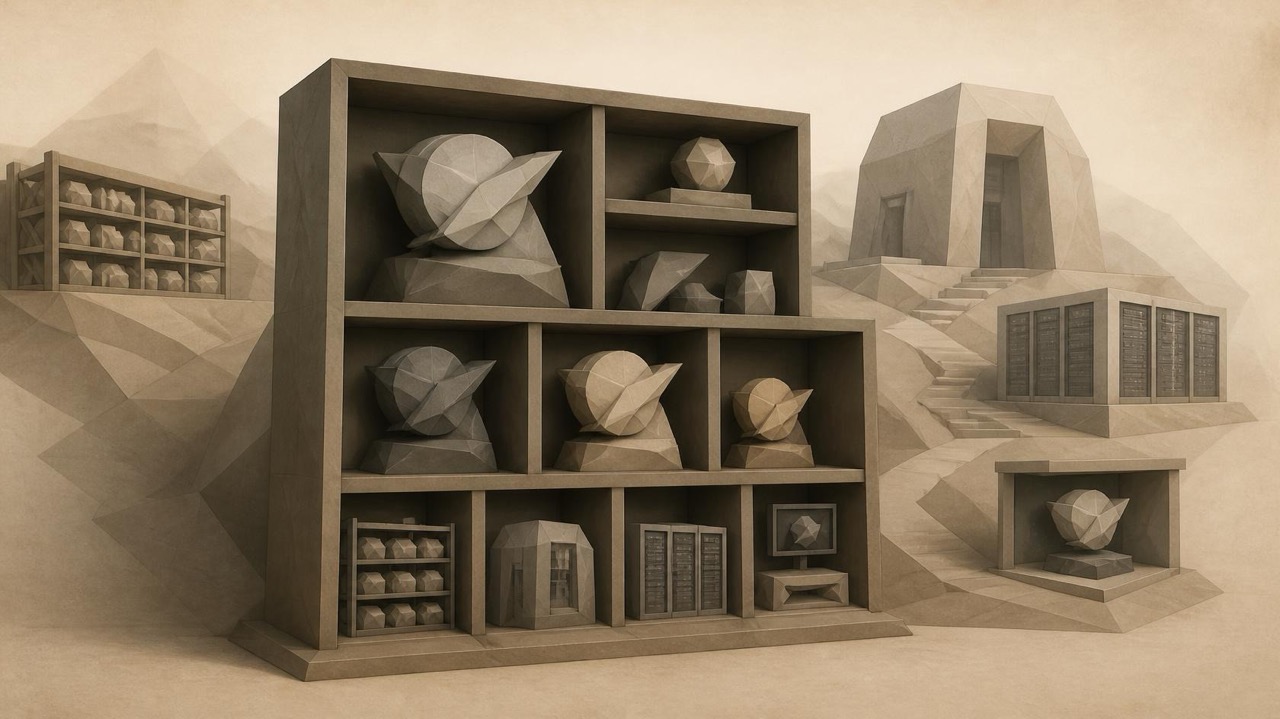
Inventorying digital art: when a work does not fit into a single location
A digital work may simultaneously reside in a collection, on a server, on a webpage and in a repository. The Tate adapted its system to ensure these locations were visible and auditable.
-
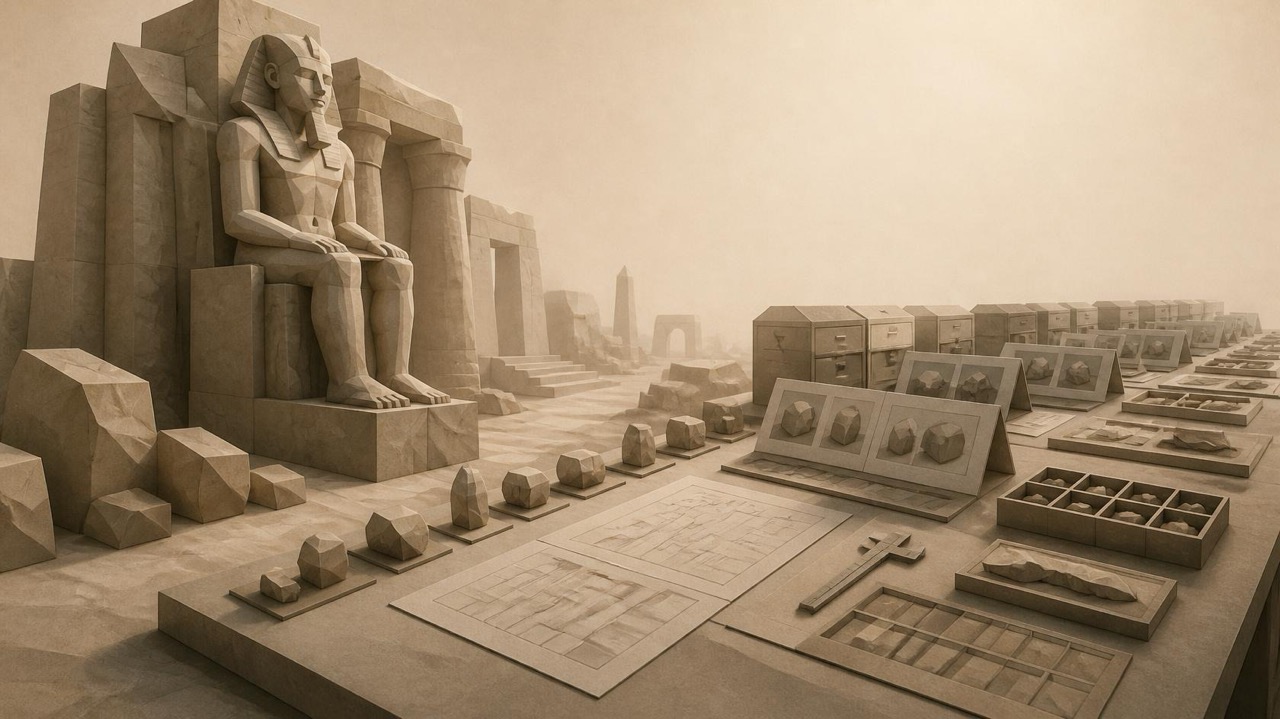
Documenting technological art: who can care for a work when the installer is absent
An installation dependent upon the memory of a single individual is also a work with concentrated care. Three precedents demonstrate how to render decisions and limitations transferable.
-
Declaring the use of artificial intelligence in art: what the public should know
Los casos de Jason Allen y Boris Eldagsen mostraron dos conflictos distintos. La obligación europea añade otra capa: informar sin impedir la exhibición de la obra.
-
Environmental footprint of digital art: what calculators measure and what they omit
No existe una cifra única para la huella de una obra digital. Ethereum y las calculadoras del sector permiten ver cómo cambian los resultados al cambiar el modelo y sus límites.
-
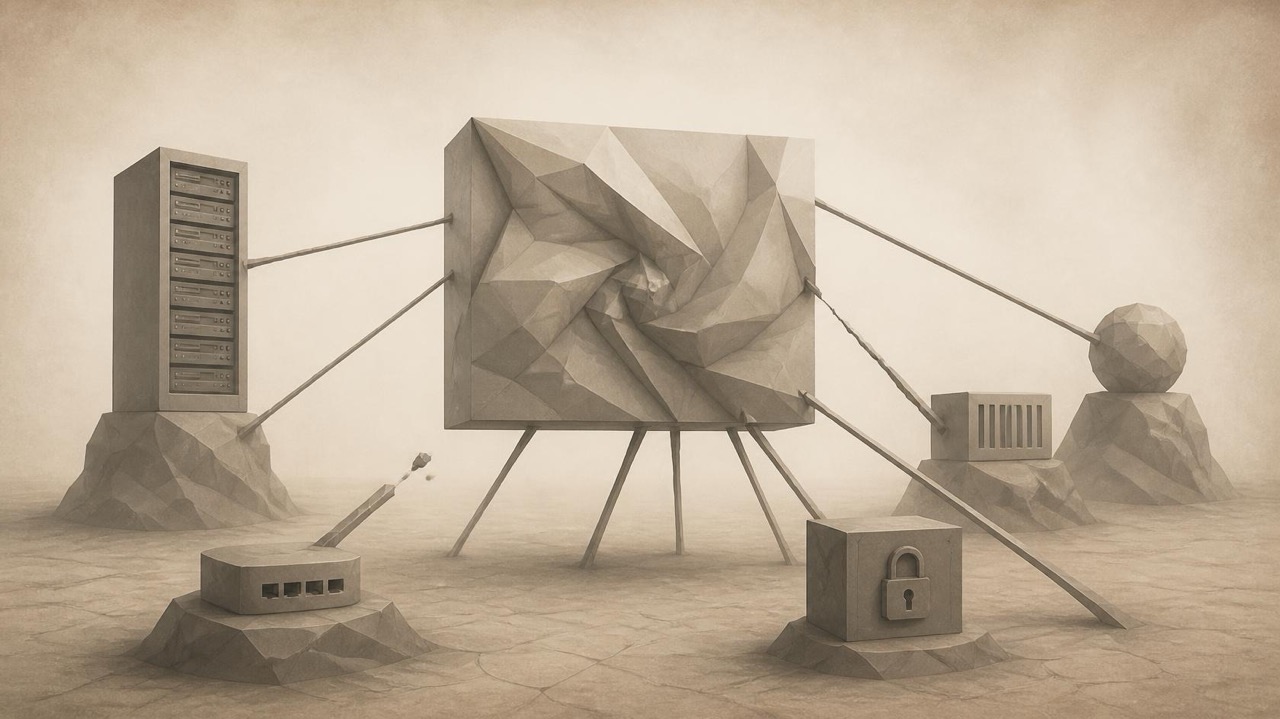
Invisible dependencies in digital art: what occurs when an account, an API, or a domain disappears
Una obra puede conservar sus archivos y dejar de funcionar porque caduca un dominio, cambia una API o cierra un servicio. IPFS y Conifer permiten distinguir identificación, disponibilidad y dependencia.
-
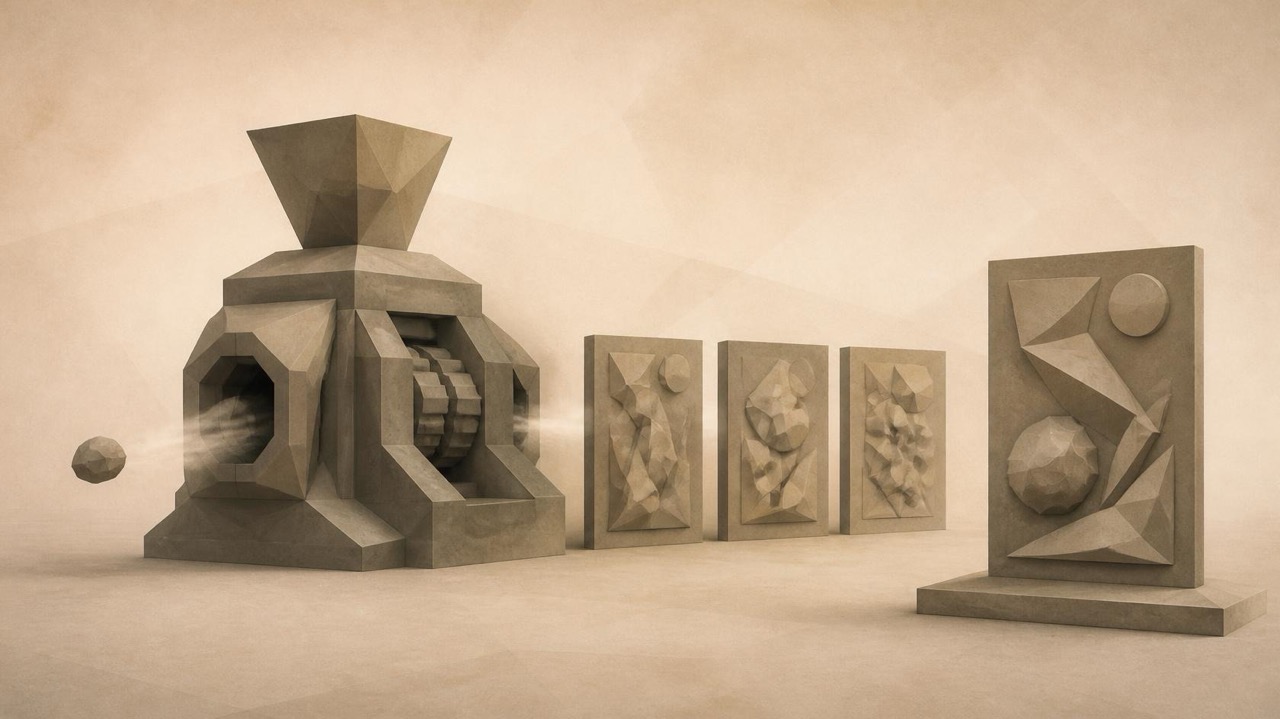
Generative art: what is acquired when the work is an algorithm
Comprar una salida no equivale a adquirir el sistema que la generó. El modelo de Art Blocks y los protocolos del Met permiten separar algoritmo, semilla, resultado, derechos y entorno.